
Starting a new business can be both exciting and challenging. One of the biggest hurdles for startups is effectively marketing their products or services with limited resources. Digital marketing provides a cost-effective way to reach a large audience and build a strong online presence. This guide will walk you through the essential steps to create a successful digital marketing strategy for your startup.
1. Understand Your Target Audience

Why It Matters
Knowing your target audience is crucial for tailoring your marketing efforts to meet their needs and preferences. This understanding helps in creating relevant content, choosing the right platforms, and crafting messages that resonate.
How to Define Your Audience
Conduct Market Research: Use tools like surveys, focus groups, and market analysis to gather information about your potential customers.
Create Buyer Personas: Develop detailed profiles of your ideal customers, including demographics, interests, and pain points.
Tools to Use
Google Analytics: Provides insights into the demographics and behaviors of your website visitors.
Facebook Audience Insights: Helps understand the characteristics of your social media audience.
2. Build a Professional Website
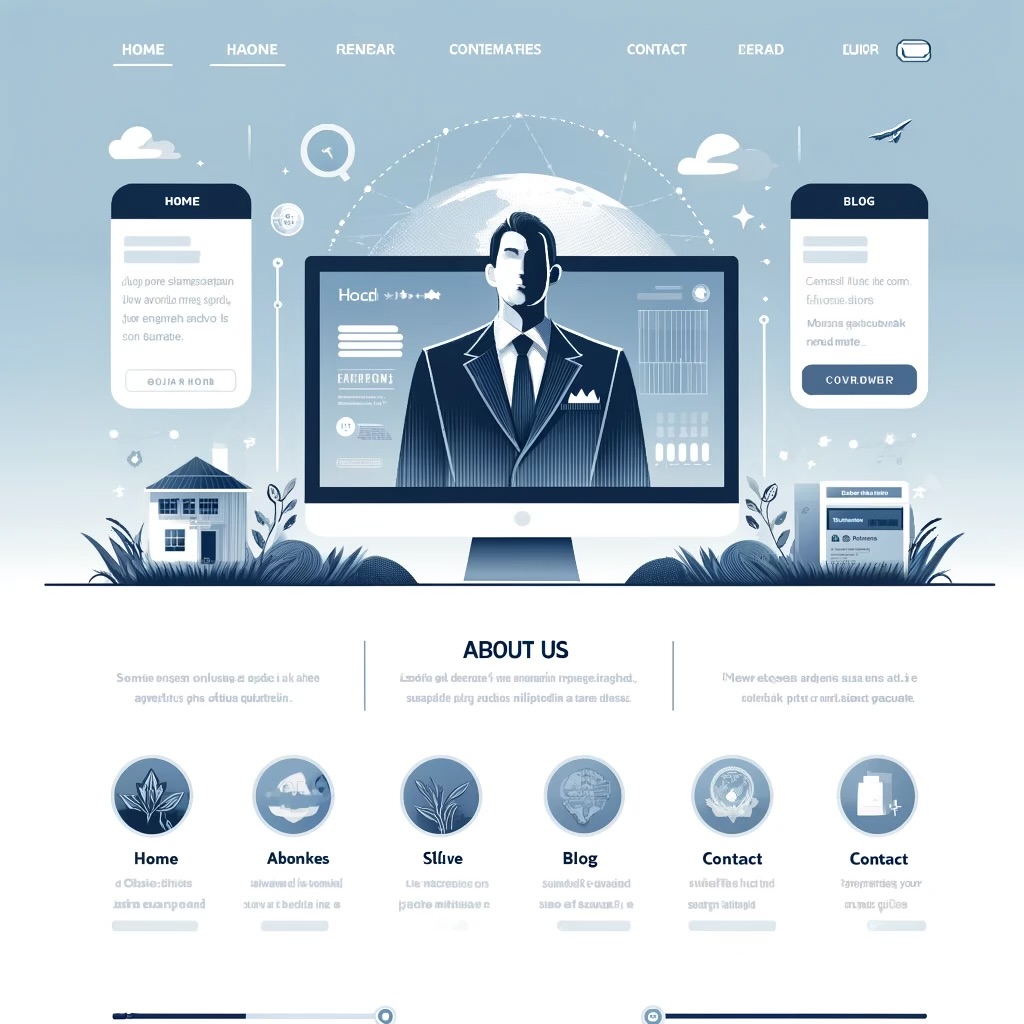
Importance of a Website
Your website serves as the digital face of your business. It’s where potential customers will learn about your offerings and make purchasing decisions.
Key Elements of a Good Website
User-Friendly Design: Ensure your website is easy to navigate and mobile-friendly.
SEO Optimization: Implement SEO best practices to improve your search engine ranking.
Compelling Content: Create high-quality content that provides value to your visitors.
Tools to Use
WordPress: A flexible and user-friendly platform for building websites.
Squarespace: An all-in-one solution for creating beautiful websites with ease.
3. Implement Search Engine Optimization (SEO)
Why SEO is Critical
SEO helps your website rank higher on search engine results pages (SERPs), driving organic traffic and increasing visibility.
SEO Best Practices
Keyword Research: Identify relevant keywords that your target audience is searching for.
On-Page SEO: Optimize your website’s content, meta tags, and images with targeted keywords.
Off-Page SEO: Build high-quality backlinks from reputable sites to improve your website’s authority.
Tools to Use
Google Keyword Planner: A powerful tool for keyword research.
Yoast SEO: A popular plugin for optimizing WordPress websites.
4. Leverage Social Media Marketing

Benefits of Social Media
Social media platforms allow you to connect with your audience, build brand awareness, and drive traffic to your website.
Social Media Strategies
Choose the Right Platforms: Focus on platforms where your target audience is most active.
Engage with Your Audience: Post regularly, respond to comments, and participate in relevant conversations.
Run Social Media Ads: Use paid advertising to reach a larger audience and target specific demographics.
Tools to Use
Hootsuite: Manage and schedule your social media posts across multiple platforms.
Buffer: Another excellent tool for social media management and analytics.
5. Invest in Content Marketing
Importance of Content
High-quality content attracts and engages your audience, establishes your authority, and drives organic traffic.
Content Marketing Strategies
Blogging: Publish informative and valuable blog posts regularly.
Video Content: Create videos that showcase your products, share customer testimonials, or provide how-to guides.
Guest Blogging: Write guest posts for reputable websites to reach a broader audience and build backlinks.
Tools to Use
Canva: Create visually appealing graphics for your content.
Grammarly: Ensure your content is free of grammatical errors and easy to read.
6. Utilize Email Marketing

Why Email Marketing Works
Email marketing allows you to nurture leads, build relationships, and convert prospects into customers.
Email Marketing Best Practices
Build an Email List: Use opt-in forms on your website and social media channels.
Segment Your Audience: Divide your email list into segments based on interests and behaviors.
Personalize Your Emails: Tailor your messages to address the specific needs and preferences of each segment.
Tools to Use
Mailchimp: A user-friendly platform for creating and managing email campaigns.
7. Monitor and Analyze Your Performance
Importance of Analytics
Tracking your marketing efforts helps you understand what works and what doesn’t, allowing you to make data-driven decisions.
Key Metrics to Track
Website Traffic: Monitor the number of visitors and their behavior on your site.
Conversion Rates: Measure the percentage of visitors who take desired actions, such as making a purchase or signing up for a newsletter.
Social Media Engagement: Track likes, shares, comments, and other interactions on your social media posts.
Tools to Use
Google Analytics: Provides comprehensive data on your website’s performance.
Facebook Insights: Offers detailed analytics for your Facebook page.

Conclusion
Digital marketing is a powerful tool for startups looking to build brand awareness and drive sales. By understanding your audience, creating a strong online presence, and leveraging various digital marketing strategies, you can effectively reach your target customers and grow your business. Remember to continuously monitor your performance and adjust your tactics based on data and feedback.
Start implementing these strategies today and watch your startup thrive in the digital landscape!